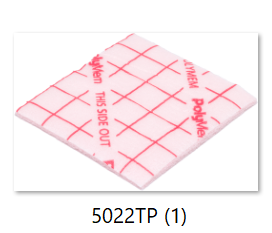
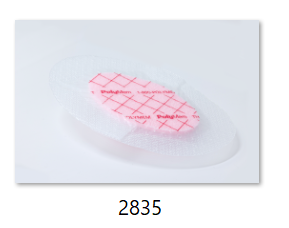
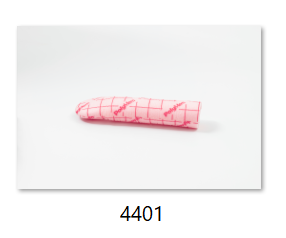
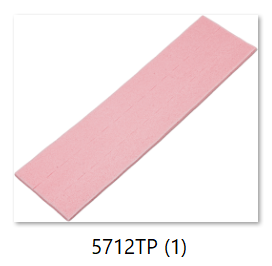
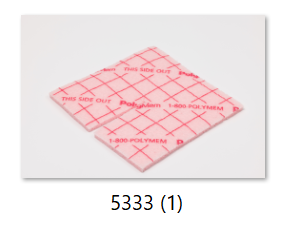
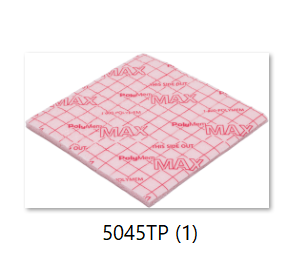
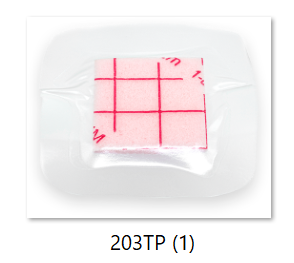
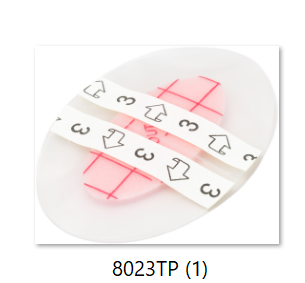
PolyMem also plays an active role in modulating inflammation. By helping to localise the inflammatory response, it can reduce swelling, bruising and secondary tissue damage (Kahn, 2000). Its surfactant properties have been shown to disrupt biofilm (Das Ghatak et al, 2018), while antimicrobial options provide protection without releasing active agents into the wound bed.
Effective moisture management is achieved through a superabsorbent matrix that locks in exudate while maintaining an optimal moist wound environment (Cutting et al, 2015). At the same time, glycerol is delivered directly to the wound where it can be utilised as an energy source to support cellular activity and repair (Cutting et al, 2015).
A key differentiator is PolyMem’s ability to support pain reduction. By insulating the wound and influencing the inflammatory response, it can reduce nociceptor stimulation, often improving patient comfort and supporting quality of life (Beitz et al, 2004; Kahn, 2000).
PolyMem also promotes epithelialisation and supports tissue regeneration through improved blood flow and cellular activity (Benskin, 2018), helping wounds progress efficiently towards closure.
Importantly, PolyMem is not limited to niche or specialist scenarios. Its multifunctional design means it can be used confidently across a wide range of wound types and care settings, from acute to chronic wounds. By addressing multiple barriers to healing within a single dressing, it has the potential to simplify treatment pathways, reduce the need for multiple products, and deliver both clinical and cost efficiencies. This makes PolyMem a practical and effective choice for everyday wound management, supporting consistent outcomes for patients while helping clinicians optimise care.
Contact information:
W:
https://mediq.co.uk/plp-polymem
T: 01530 830 830
E:
info@mediq.co.uk